Introduction to SC88 and Its Legacy in Music Production
The SC88 is more than just a MIDI controller; it represents a significant chapter in the history of music production, particularly in the transition from traditional sound generation to digital synthesis. Released by Roland in the mid-1990s, the SC88 quickly gained recognition for its comprehensive sound library and robust performance capabilities. Today, as musicians and producers explore various digital audio workstations (DAWs) and sophisticated sound libraries, the relevance of the SC88 continues to resonate. For those looking into options for MIDI controllers, SC88 offers a blend of classic features and modern compatibility that can enhance any music production setup.
What is the SC88?
The Roland SC88 is a General MIDI (GM) compatible sound module that provides musicians with a versatile tool for music creation. It features an extensive library of instrument sounds known as patches, allowing users to access a myriad of sonic textures for their compositions. With 8MB of waveforms, the SC88 includes over 600 patches that cover a variety of musical styles—from orchestral arrangements to modern electronic sounds. Furthermore, it offers 64-voice polyphony, letting musicians layer sounds without the risk of cutting each other off, which is essential for complex compositions.
Historical Significance of the SC88
Since its launch, the SC88 has played a pivotal role in shaping the landscape of MIDI technology. It was among the first devices to fully embrace the capabilities of General MIDI, allowing for standardized instrument playback across compatible devices. This standardization not only enhanced interoperability among various musical instruments but also paved the way for a new era of music production that relied heavily on electronic sound generation. Its introduction laid the foundation for future innovations in sound modules and MIDI technology.
Current Relevance in Music Production
Despite being released decades ago, the SC88 remains relevant in today’s music production environment. Many producers still appreciate its simplicity and robust sound palette, especially in genres that blend vintage sounds with modern production techniques. As a bridge between old and new technologies, the SC88 serves as an excellent option for those wanting to infuse classic textures into contemporary music projects.
Key Features of the SC88 MIDI Controller
Sound Library and Instrument Patches
The expansive sound library of the SC88 is one of its standout features. With over 600 sounds, it allows users to explore a variety of instruments, from realistic acoustic sounds to synthetic textures. This diversity makes it an appropriate choice for various genres, whether for film scoring, gaming music, or modern pop productions. Moreover, the SC88’s ability to create layered sounds enables composers to develop rich, complex arrangements that can elevate their tracks to new heights.
Connectivity Options for Modern Setups
In contemporary music production, having versatile connectivity options is essential. The SC88 supports both MIDI In and Out ports, making it easy to integrate with other MIDI devices and DAWs. Additionally, it can operate as a standalone unit or be connected to a computer via MIDI interfaces. This flexibility makes the SC88 an ideal choice for producers who rely on a combination of hardware and software in their workflows.
Build Quality and Design Considerations
Roland is known for its commitment to quality, and the SC88 is no exception. Its sturdy build ensures longevity, allowing musicians to rely on it in both studio and live settings. The design is user-friendly, featuring a straightforward interface that allows for easy navigation through sounds and settings. This intuitive design helps minimize the learning curve for newcomers while providing enough depth for seasoned musicians.
Using the SC88 in a Digital Audio Workstation
Integrating SC88 with Popular DAWs
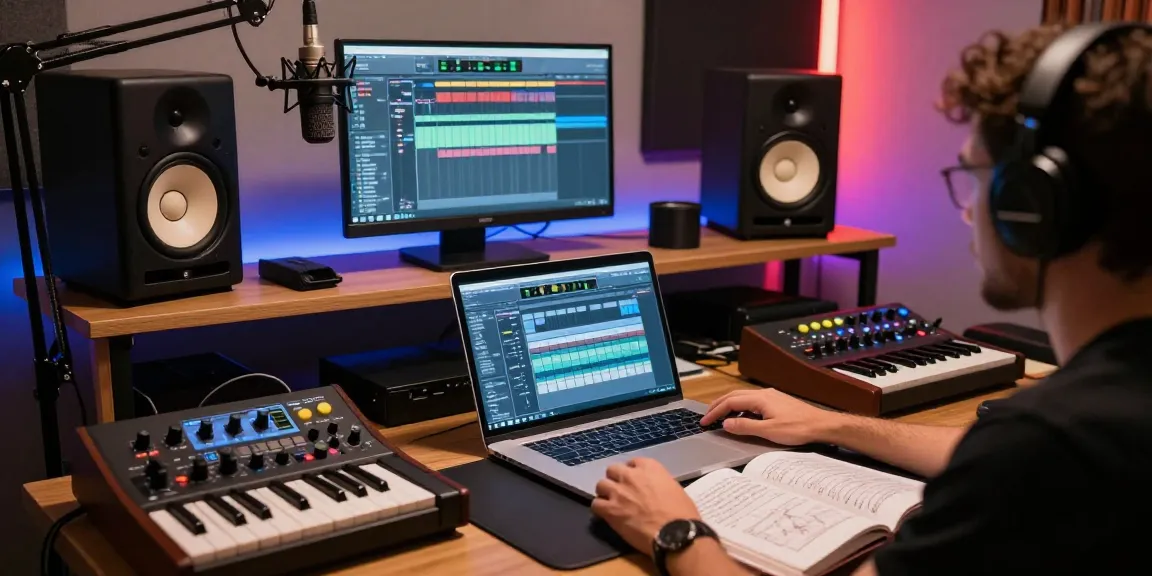
Integrating the SC88 into DAWs like Ableton Live, Pro Tools, or Logic Pro is a seamless process. Users can set up their DAW to recognize the SC88 as a MIDI controller, allowing for direct access to its sounds and patches. This integration opens up creative possibilities, enabling composers to utilize the SC88’s sounds alongside a plethora of virtual instruments and effects available in modern software. Leveraging the SC88’s sounds within a DAW environment enhances the overall music production experience.
Programming Techniques for Enhanced Performance
Beyond basic playback, the SC88 allows users to engage in detailed programming techniques. Musicians can create customized sounds by tweaking parameters within the module, such as reverb and chorus settings. Additionally, utilizing MIDI control changes can enhance live performance dynamics. By incorporating the SC88’s unique sound manipulations into compositions, producers can achieve a distinctive sonic identity that sets their work apart.
Common Challenges and Solutions
While the SC88 is largely user-friendly, some challenges might arise, such as latency issues when integrating with DAWs. To mitigate this, producers can adjust their audio interface settings or buffer sizes to ensure smooth playback. Additionally, compatibility with newer operating systems can sometimes pose difficulties. However, keeping the SC88’s firmware updated and exploring community forums or resources can alleviate many of these issues.
Comparison with Other MIDI Controllers
SC88 vs. SC88 Pro: Key Differences
The SC88 Pro is an updated version of the original SC88, featuring enhanced sound quality and additional instrument patches. While both models are excellent choices, the SC88 Pro offers improved audio processing capabilities and greater versatility for professional use. This makes the SC88 Pro the preferred option for those looking to achieve higher fidelity and complexity in their productions.
How SC88 Stands Against Competitors in 2026
In 2026, the SC88 faces competition from a range of modern MIDI controllers that offer advanced features such as built-in effects and extensive sound libraries. However, the SC88’s legacy, reliability, and ease of use continue to make it a strong contender for musicians who value traditional sound production without the overwhelming complexity of newer models. Its ability to serve as both a sound module and MIDI controller makes it a versatile tool amidst evolving technology.
Choosing the Right MIDI Controller for Your Needs
When selecting a MIDI controller, it’s crucial to consider personal musical needs and workflow. For those focusing primarily on sound generation, the SC88 is an excellent choice due to its extensive library and user-friendly interface. Conversely, for producers looking for integration with advanced software synthesizers, exploring newer options with more robust connectivity might be beneficial. Ultimately, assessing the balance between features, sound quality, and usability will guide musicians in making the best choice for their setups.
Future Trends in MIDI Technology and Sound Design
Emerging Trends in Music Production Tools
As technology advances, music production tools continue to evolve. Emerging trends include the integration of artificial intelligence in sound generation and advanced sampling techniques that allow musicians to create unique audio experiences. These new technologies are transforming the way producers approach music creation, pushing the boundaries of creativity and sound design.
The Role of MIDI Controllers in Evolving Music Genres
MIDI controllers like the SC88 play a crucial role in the development of new music genres. As genres continue to blend, the flexibility of MIDI technology allows musicians to experiment with diverse styles and sounds. This adaptability gives rise to innovative music that combines traditional elements with modern techniques, appealing to a wide audience.
Predictions for the Next Generation of MIDI Controllers
Looking ahead, next-generation MIDI controllers are expected to incorporate more intelligent features, such as adaptive interfaces that respond to user preferences and enhanced connectivity options for seamless integration with various platforms. These advancements will not only enhance the user experience but also foster greater creativity in music production, making it easier for artists to bring their visions to life.
What are the benefits of using the SC88 MIDI controller?
The SC88 MIDI controller offers numerous benefits, including a rich sound library, robust performance capabilities, and easy integration with DAWs. Its historically significant role in music production further solidifies its place as an essential tool for musicians.
How does the SC88 compare to newer models?
While newer models may offer additional features such as built-in effects and enhanced connectivity, the SC88 remains a reliable and versatile option for users looking for a traditional sound module with a rich legacy.
Can I integrate the SC88 with my current setup?
Yes, the SC88 can easily integrate with most modern setups, thanks to its MIDI connectivity and compatibility with various DAWs.
What are common issues users face with the SC88?
Common issues may include latency during playback or difficulties with compatibility. However, these can often be resolved through proper configuration and updates.
Is the SC88 suitable for beginners in music production?
Absolutely! The SC88’s user-friendly interface and extensive sound library make it an ideal choice for beginners looking to dive into music production.